Kale Ohitashi

Posted on

Ohitashi is a Japanese side dish made by blanching vegetables and soaking them in a light dashi and soy-based broth. This simple version features kale and it’s perfect because it’s easy, you can make it ahead of time, it’s super healthy, and it tastes great. Serve it room temperature alongside a Japanese meal and feel free to replace the kale with Swiss chard or any other hearty, leafy greens.

Ingredients:
  • Salt
  • 1/2 pound bunch curly kale (about 1 punch), bottom stems trimmed and discarded
  • 1 1/2 cups dashi
  • 1 teaspoon soy sauce
  • 1 teaspoon mirin
  • 1 tablespoon bonito flakes
  1. Bring a medium pot of salted water to a boil. Prepare a medium mixing bowl full of ice water in the meantime.
  2. Blanch the kale in the boiling water until it is tender but still retains its texture, about 2 to 3 minutes. Transfer the kale to the icy water and let it cool. Drain the kale in a colander and squeeze to remove excess water.
  3. Combine the dashi, soy sauce, mirin, and 1/2 teaspoon salt in a small saucepan over medium heat and cook, stirring, until the salt dissolves. Let the dashi mixture cool and pour it into a medium bowl. Add the kale, stir, and cover the bowl. Refrigerate for at least 2 hours or up to 24 hours.
  4. When ready to eat, gently take the kale out of the bowl, leaving the liquid behind. Line up the kale leaves on a cutting board and gather them into a long bundle and cut crosswise into 2-inch pieces and arrange them on a serving plate. Spoon on about 3 tablespoons of the reserved liquid or more to taste. Sprinkle the bonito flakes on top and serve.

Dashi Deviled Eggs

Posted on

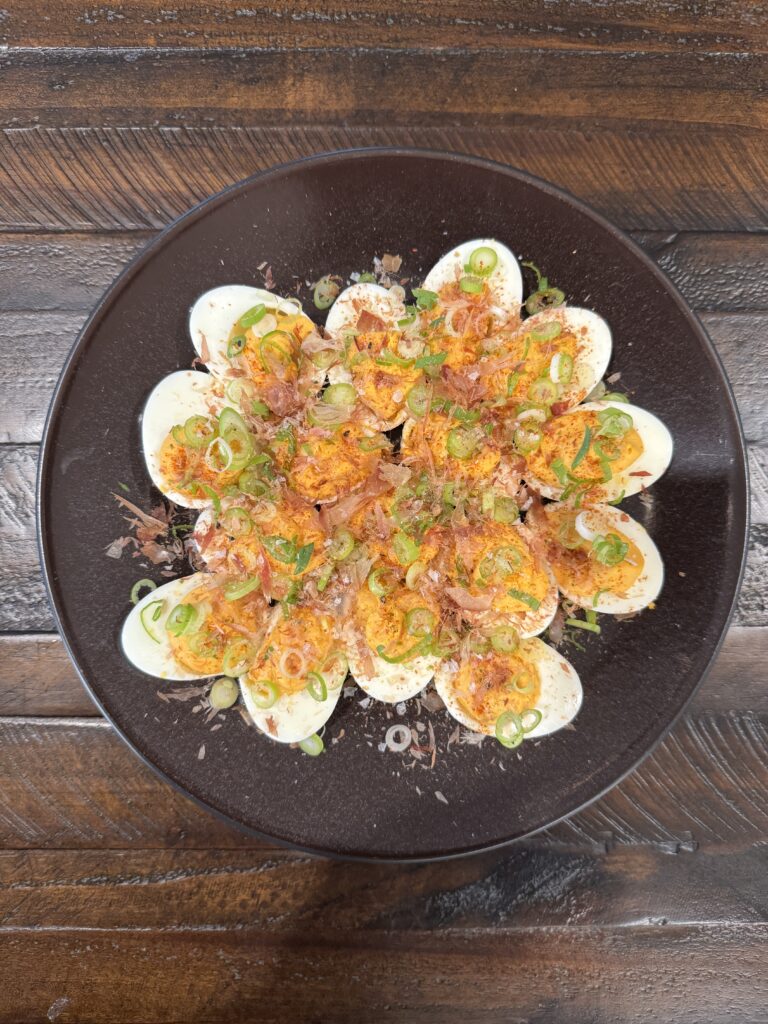
I didn’t realize I love deviled eggs until I was almost thirty but man, have I made up for lost time. Red pepper and gouda deviled eggs? Check. Spanish deviled eggs? Check. These deviled eggs, adapted from The Wok and made with Japanese instant dashi and topped with ethereal katsuobushi, are my new favorite. J. Kenji Lopez-Alt, you’ve done it again.
Ingredients:

  • 6 hard-boiled eggs, peeled
  • 2 teaspoons rice vinegar
  • 1/4 teaspoon Dijon mustard
  • 3 tablespoons mayonnaise
  • 1 teaspoon instant dashi granules
  • Salt
  • Thinly sliced green onions, to garnish
  • Shichimi togarashi, to garnish
  • Katsuobushi shavings, to garnish
  1. Cut the eggs in half lengthwise. Place the yolks in the bowl of a food processor and set the egg white halves aside on a serving platter. Add the vinegar, mustard, mayonnaise, and instant dashi to the food processor and process until smooth. Season with salt to taste.
  2. Transfer the yolk mixture to a piping bag fitted with a piping tip (or a ziplock bag).
  3. Pipe a small dollop of filling into each egg white, distributing evenly. Top with green onions, shichimi togarashi, katsuobushi, and serve.
Antipasto Salad

Posted on

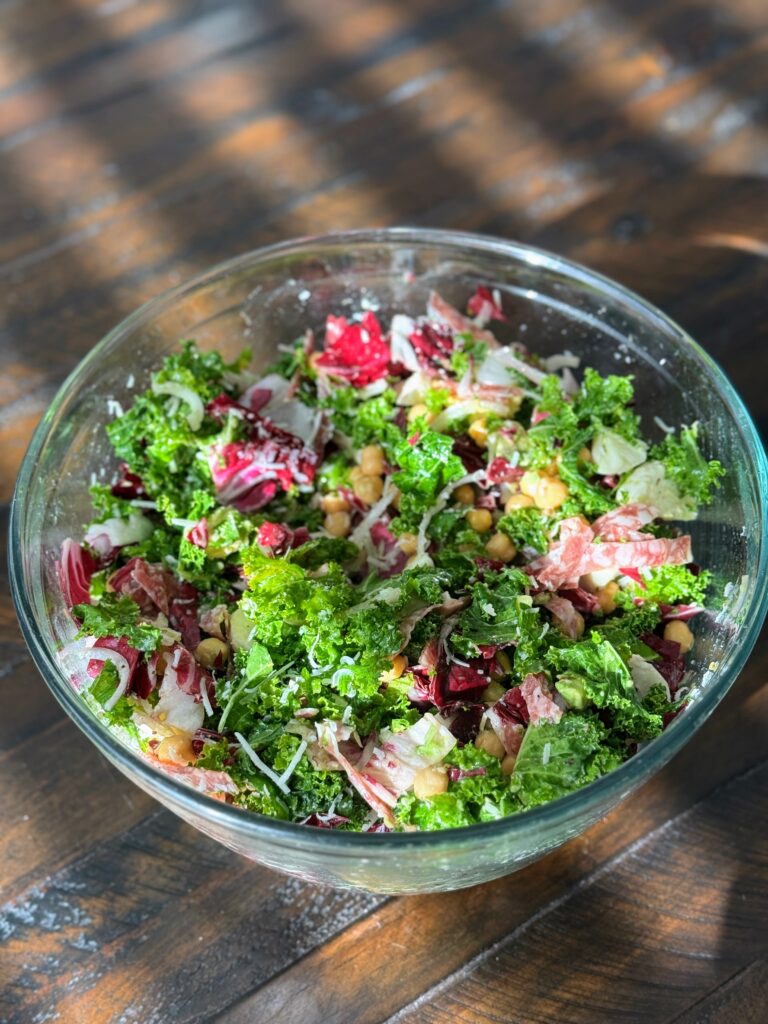
Whatever happened to antipasto salad? (Unfortunately) relegated to the ’90s, I think of it as a chopped salad’s long-lost relative. Italian herbs, cheese, and salami may not have made the the healthiest salad a few decades ago, but this updated version features kale, radicchio, and avocado too for a Californian take on an updated classic. Serve this as a side to pasta, as I do, or eat it as a light meal on its own. Either way, it’s delicious.

Ingredients:

  • 1 small or medium garlic clove
  • 1/3 cup good quality olive oil
  • 1/4 cup red wine vinegar
  • 2 teaspoons fresh chopped thyme
  • 1/2 teaspoon dried oregano
  • 1/4 teaspoon crushed red pepper flakes
  • 8 ounces mozzarella cheese, drained and cut into 1/2-inch pieces
  • 4 ounces deli-sliced salami, cut into 1/2-inch pieces
  • 1 bunch kale, stems and ribs removed, leaves coarsely chopped (about 2 cups)
  • 1 15-ounce can chickpeas, drained and rinsed
  • 1 shallot, thinly sliced
  • Black pepper
  • 1 head radicchio, cored and coarsely chopped
  • 1 avocado, halved, peeled, and cut into 1-inch chunks
  • Grated Parmesan cheese, for serving
  1. Mince the garlic on a cutting board, then sprinkle with a pinch of salt and chop and scrape the garlic and salt back and forth with the flat side of a knife until it forms a mostly smooth paste.
  2. Scrape the garlic paste into a large serving bowl and whisk in the olive oil, vinegar, thyme, oregano, and red pepper flakes. Add the mozzarella, salami, kale, chickpeas, and shallot and season with salt and pepper. Toss to combine, then gently stir in the radicchio and avocado. Sprinkle with Parmesan and serve.

Kimchi Sundubu Jjigae

Posted on

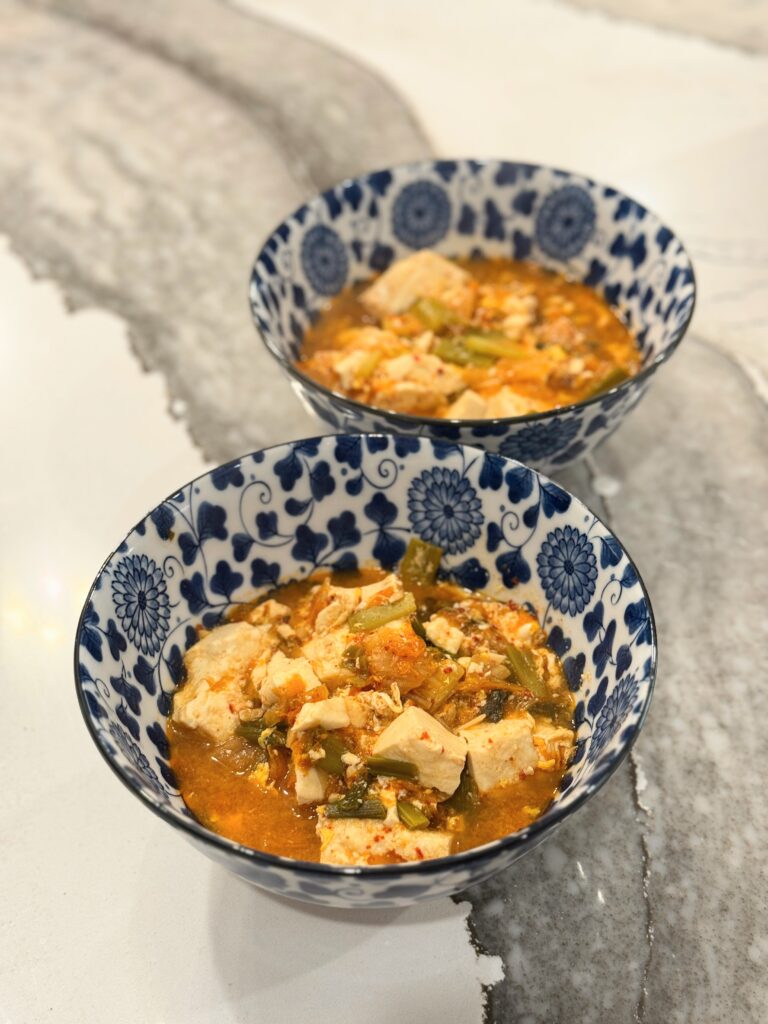
This Korean tofu and kimchi stew is the ultimate cold weather comfort food. Of all the jjigaes (Korean stews), this one is my favorite. Briny, spicy, and deeply savory, there’s a reason why it’s one of the most popular dishes at Korean restaurants. This was my go-to order at Pyeong Chang Tofu House in Oakland for ages. These days, I’ve learned to make it at home.

Ingredients:

  • 1 cup sour, aged kimchi with juice
  • 1 tablespoon avocado oil
  • 6 green onions, cut into 1-inch segments, green and white sections separated
  • 1 tablespoon minced garlic
  • 2 teaspoons gochujang
  • 1 tablespoon soy sauce
  • 3 teaspoons gochugaru
  • 1 quart dashi
  • 1 1/2 pounds soft tofu
  • 1 egg per serving (4, depending on serving size)
  • Cooked rice, for serving
  1. Drain the kimchi in a strainer set over a small bowl, squeezing to remove liquid. Roughly chop the kimchi and reserve the kimchi and juice seperately.
  2. Heat the oil in a heavy saucepan (or similar) over medium-high heat. Add the whites of the green onions, garlic, and chopped kimchi. Cook, stirring constantly, until fragrant, about 1 minute.
  3. Add the kimchi juice, gochujang, and soy sauce. Cook until the vegetables are coated in an even layer of sauce. Add the gochugaru and dashi, bring to a simmer and cook about 10 to 15 minutes. (Optional step: add a handful of cubed daikon radish, enoki mushrooms, or beech mushrooms before simmering at this stage. You could also add a handful of shellfish in the last few minutes of cooking.)
  4. Add the tofu and green tops of the green onions, stir gently, and heat until boiling. Break the eggs directly into the simmering broth. Stir the egg in to make a richer soup, or let them loosely poach int the broth. Serve with rice.

Classic Pecan Pie

Posted on

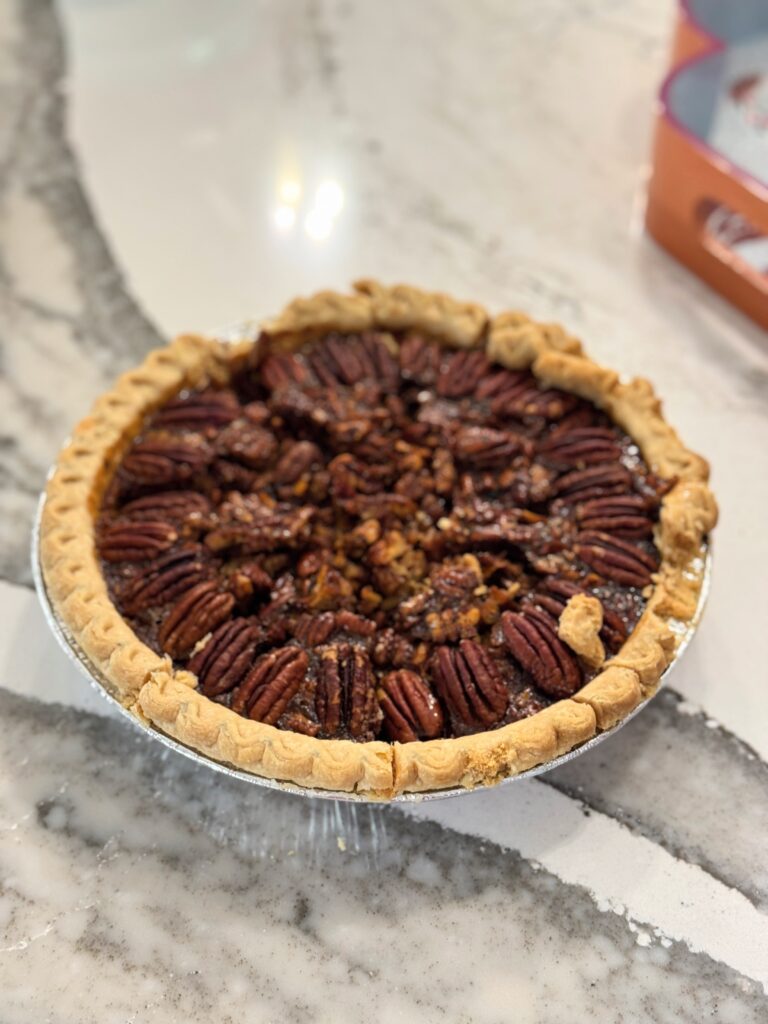
My sister makes the best pecan pie on earth and therefore is the Officially Designated Maker of Pecan Pie for all holiday family gatherings. My pie-making attempts have been mixed, to say the least, but this recipe? It’s solid. Okay, it’s also full of shortcuts (there’s no shame in using store-bought pie crust) and it’s not the most beautiful (broken crust!) but it is reliable and delicious. And while I’m still not-so-secretly looking forward to my sister’s pecan pie at the next occasion, I’m thrilled that I too, have entered the pantheon of ~respectable pie bakers.~

Ingredients:

  • 1 store-bought pie crust
  • 1 cup light corn syrup
  • 3/4 cup granulated sugar
  • 1/4 cup light brown sugar
  • 2 tablespoons butter, melted and cooled
  • 2 teaspoons vanilla extract
  • 1/2 teaspoon salt
  • 3 eggs, lightly beaten
  • 1 1/4 cups roughly chopped pecans, plus 1/2 cup halves
  1. Heat oven to 350F degrees. In the meantime, whisk corn syrup, butter, vanilla, salt, and eggs in a large bowl, then fold in chopped pecans. Distribute filling evenly in the prepared pie crust, then arrange pecan halves decoratively around the inside edge of crust. Bake until crust is golden brown and filling is set, about 1 hour. Let cool completely before serving.