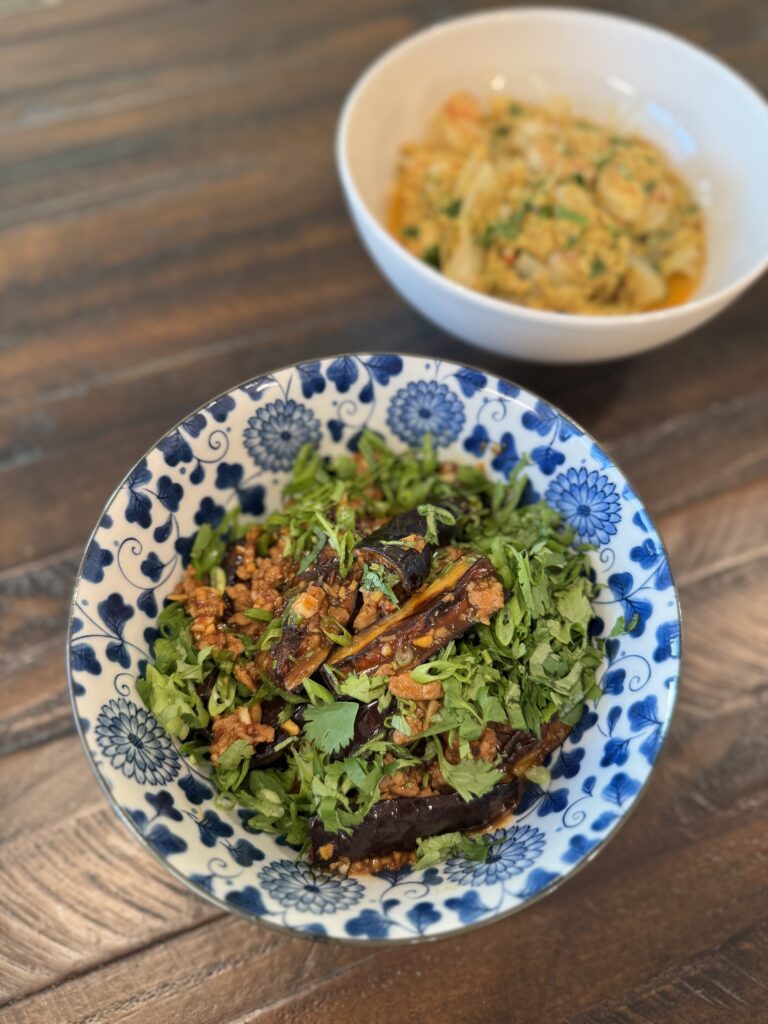
Fish-Fragrant Eggplant

Posted on

Despite the name, fish-fragrant eggplant contains no fish at all. What it does have is everything else worth loving: silky eggplant, garlic, ginger, chilies, and that perfect balance of sweet, sour, savory, and spicy that makes Sichuan cooking so addictive. It’s the kind of dish that can turn even a casual eggplant eater into a devoted fan.

Ingredients:

For the eggplant:

  • Salt
  • 1 pound Chinese eggplant, trimmed, quartered lengthwise, and cut crosswise into 3-inch batons
  • 2 teaspoons cornstarch

For the sauce:

  • 2 teaspoons Chinkiang or balsamic vinegar
  • 3 teaspoons soy sauce
  • 1 tablespoon sugar
  • 2 tablespoons chicken stock
  • Pinch of salt
  • 1 teaspoon cornstarch

For the stir-fry:

  • 6 tablespoons avocado oil
  • 2 to 4 ounces ground chicken (optional)
  • 2 tablespoons minced garlic
  • 2 teaspoons minced ginger
  • 1 tablespoon doubanjiang chile paste
  • 1 teaspoon minced Thai chile (optional)
  • 2 green onions, whites and pale green parts cut into 1-inch segments, dark green parts thinly sliced, for garnish
  • Small handful chopped cilantro, for garnish
  1. Prepare the eggplant: combine 1/2 cup salt with 2 quarts of water in a medium bowl. Add the eggplant pieces, cover with a clean paper towel, press down to soak the paper towel in brine, and aside to soak for at least 10 and up to 20 minutes. Drain the eggplant and spin in a salad spinner or blot dry with paper towels. Transfer to a bowl, sprinkle with cornstarch, and toss with your fingertips until lightly coated. Set aside.
  2. Make the sauce: combine the sauce ingredients in a small bowl and mix until no cornstarch lumps remain. Set aside.
  3. Make the stir-fry: heat 1/4 cup oil in a skillet over medium-high heat. Once hot, add the eggplant and spread into a single layer. Cook, turning the eggplant occasionally, until softened and browned on all sides, about four minutes. Transfer the eggplant to a paper towel lined bowl and set aside.
  4. Heat a wok over high heat and add 2 tablespoons oil and swirl to coat. Add the garlic, ginger, doubanjiang, green onion whites and pale green parts, and Thai chili and stir-fry until fragrant and the oil has become dark red from the bean paste, about 30 seconds. Stir the sauce and add it to the wok by swirling it around the sides. Stir-fry until the sauce is thick, about 15 seconds.
  5. Add the eggplant to the wok and toss a coat in the sauce. If the sauce overthickens, thin it out with a splash of water. Transfer to a serving bowl, garnish with the green onion greens and chopped cilantro leaves, and serve.
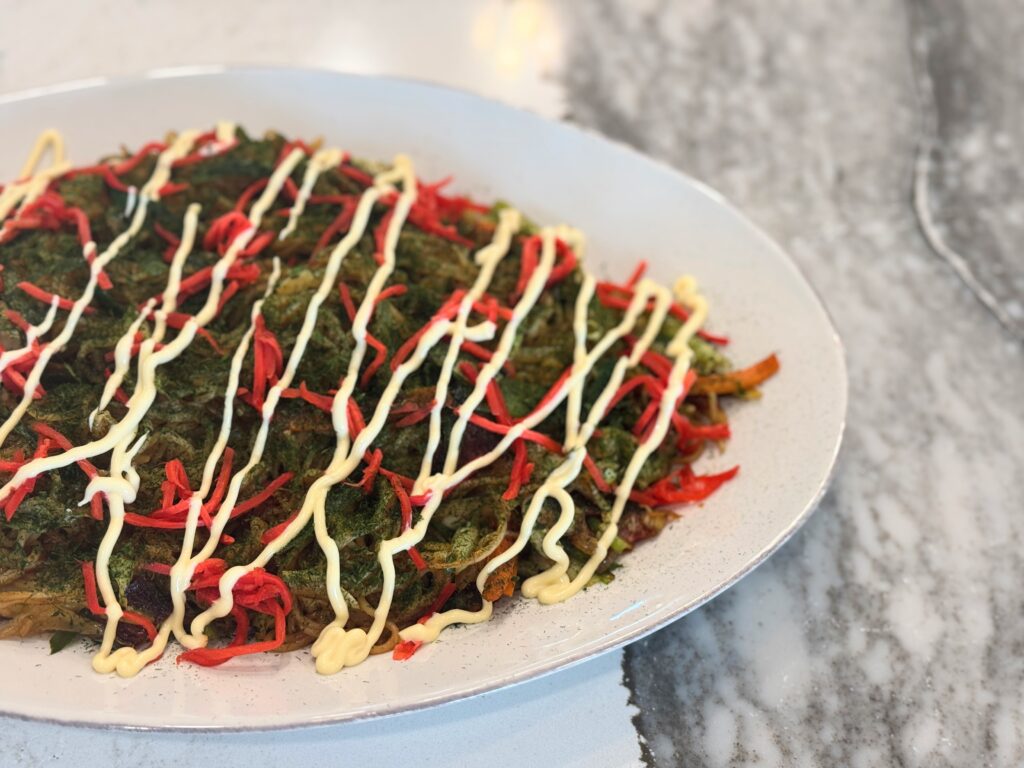
Yakisoba

Posted on

Yakisoba is not health food, and it’s not pretending to be. It’s noodles, sauce, a little cabbage to make everyone feel better about their choices, a deeply satisfying flavor. This version isn’t particularly authentic, but it’ll still make you go for seconds.

Ingredients:

For the sauce:

  • 2 tablespoons okonomi sauce
  • 2 teaspoons ketchup
  • 1 tablespoon oyster sauce
  • 1 tablespoon soy sauce
  • 1 tablespoon sugar

For the stir-fry

  • 1 tablespoon avocado oil
  • 4 ounces turkey bacon, cut into 1/2-inch slices
  • 1/2 yellow onion, thinly sliced
  • 1 small carrot, cut into 2-inch matchsticks
  • 1/2 head green cabbage, thinly shredded
  • 3 green onions, cut into 1 1/2-inch pieces
  • 1 pound yakisoba noodles, rinsed under hot water to loosen them
  • Pepper
  • Ao-nori, for garnish
  • Beni-shoga ginger, for garnish
  • Kewpie mayonnaise, for garnish
  1. Make the sauce: combine the okonomi sauce, ketchup, oyster sauce, soy sauce, and sugar in a small bowl and stir together until the sugar is dissolved. Set aside.
  2. Make the stir-fry: heat the oil in a skillet over medium-high heat until shimmering. Add the turkey bacon and cook, stirring occasionally until it is starting to turn brown, about five minutes.
  3. Increase the heat to high, then add the onion, carrot, and cabbage and stir-fry until the vegetables are tender and starting to brown slightly, about 2 minutes. Add the green onions, stir to combine, then transfer everything to a bowl and set aside, leaving some of the oil in the skillet.
  4. Reheat the skillet over high heat and add the noodles and cook, tossing, until hot, about 1 minute. Return the vegetables and turkey bacon to the skillet and toss everything to combine. Stir the sauce and add to the skillet. Cook, stirring until the sauce cooks everything. Season to taste with pepper. Transfer to a serving platter, sprinkle with ao-nori and beni-shoga, drizzle with Kewpie mayo, and serve.

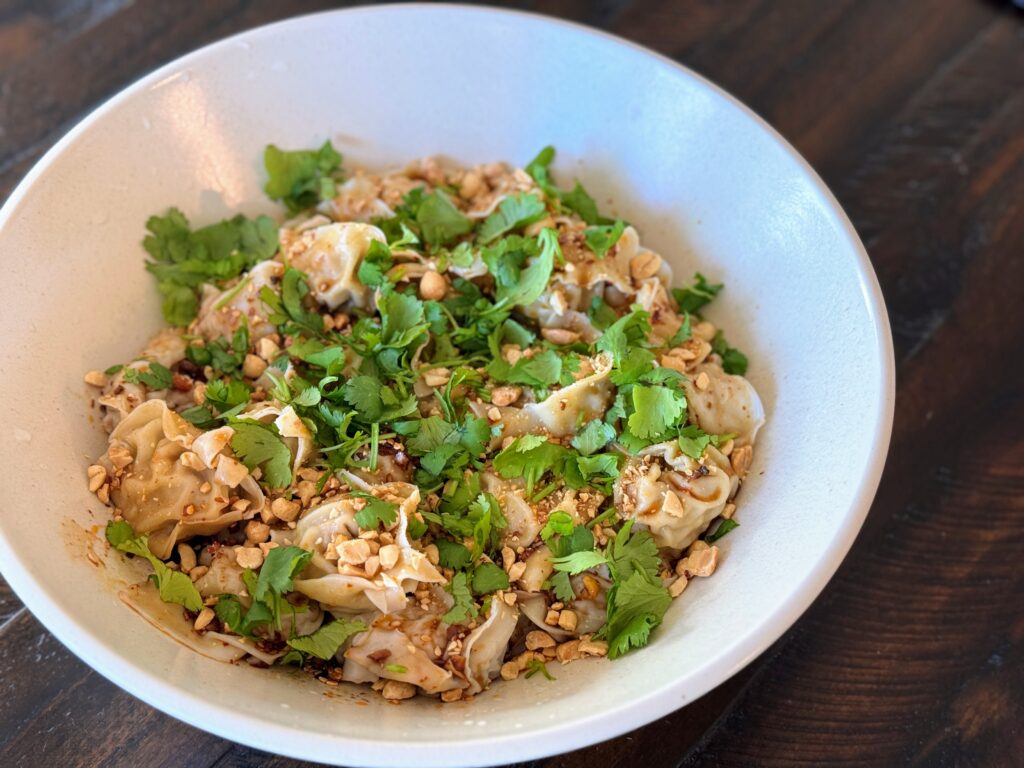
Hot and Sour Wontons

Posted on

Hot and sour wontons are one of those dishes that make it almost impossible to settle for a bland meal. Tender dumplings swimming in chili oil, black vinegar, garlic, and spice: sharp, rich, and unapologetically bold. Learning to make them at home felt less like a project and more like a necessity.

Ingredients:

For the wontons:

  • 1 pound ground chicken
  • 1 teaspoon salt
  • 1 teaspoon sugar
  • 3/4 teaspoon white pepper
  • 2 green onions (or Chinese chives), minced
  • 2 teaspoons garlic, minced
  • 2 teaspoons Shaoxing wine
  • 40-50 square wonton wrappers

For the sauce:

  • 1/4 cup chile oil
  • 1 tablespoon sesame oil
  • 3 tablespoons Chinkiang vinegar or a mixture of 1 tablespoon rice vinegar and 2 tablespoons balsamic vinegar
  • 2 tablespoons soy sauce
  • 1 tablespoon sugar
  • 1 tablespoon garlic, minced
  • 1 tablespoon roasted sesame seeds

To serve:

  • 2 tablespoons crushed roasted peanuts
  • Small handful cilantro leaves, chopped
  1. Make the sauce: Combine sauce ingredients in a small bowl and stir until sugar is dissolved. Set aside until ready to use.
  2. Make the wontons: Combine the chicken, salt, sugar, pepper, green ionions, garlic, and wine in a medium bowl and knead and turn with clean hands until the mixture is homogenous and starting to feel tacky, about 1 minute.
  3. Fill the wontons, using a tablespoon of filling per skin. Use your fingertip to add a thin layer of water around all the edges of the wrapper. Pull two corners together and pinch them shut to form a triangle, then seal up the edges of the triangle, making sure to push out as much air as possible. Moisten the folded corners, then pull them toward each other, making them meet and cross in the center. Repeat until you’ve made all your wontons.
  4. Bring a medium saucepan of water to a boil. Cook about 20 wontons at a time until they are completely cooked through, about four minutes. Drain the wontons and transfer to a warm serving platter. Repeat with the remaining wontons and spoon the sauce on top of the cooked wontons. Sprinkle with peanuts and minced cilantro and serve.

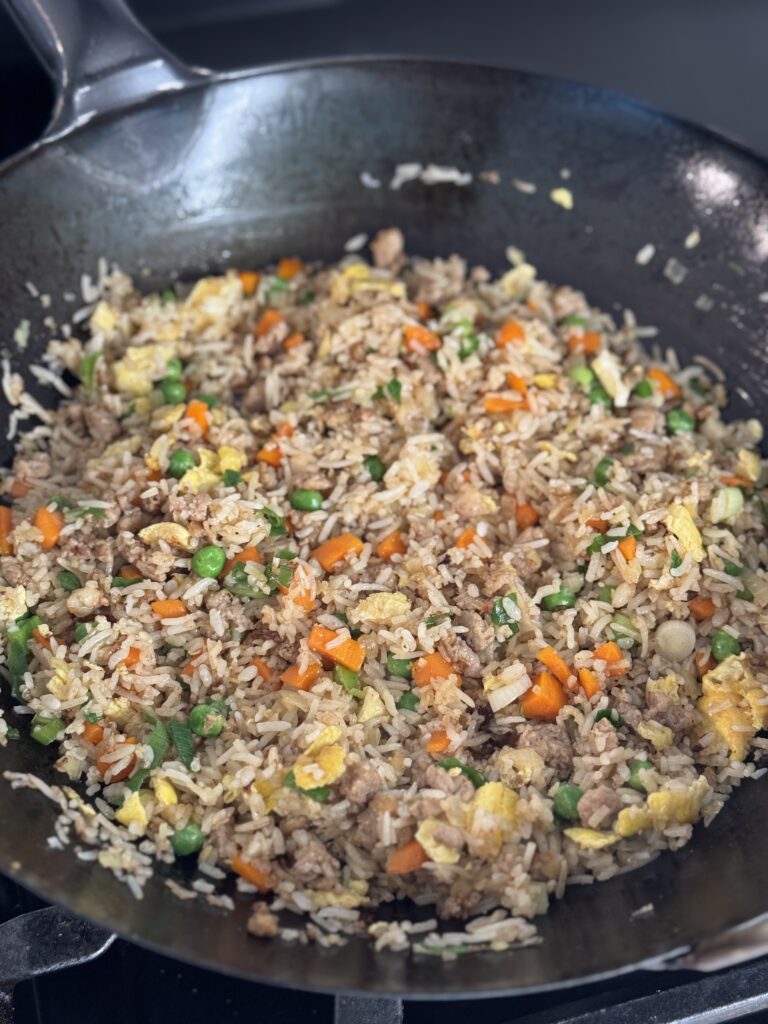
Classic Fried Rice

Posted on

I love fried rice in almost all its permutations: crab fried rice, kimchi fried rice, Thai fried rice, you get the pictures. Cold rice, hot pan, a handful of basics from the fridge somehow turning into something better than the sum of its parts. This classic version is fast, comforting, a little smoky around the edges, and exactly the kind of dinner that saves a weeknight without feeling like a compromise.

Ingredients:
  • 2 to 3 cups cooked white rice
  • 1/4 cup avocado oil
  • 2 eggs, lightly beaten
  • 4 ounces ground chicken
  • 2 ounces shrimp, chopped into 1/4-inch pieces
  • 1/4 teaspoon white pepper, plus more for serving
  • 1 tablespoon plus 1 teaspoon soy sauce
  • 1 teaspoon sugar
  • 2 teaspoons minced garlic
  • 2 teaspoons minced ginger
  • 1/2 teaspoon sugar
  • 1 teaspoon cornstarch
  • 1/4 teaspoon baking soda
  • 1/2 small onion, chopped
  • 1 small carrot, peeled and diced
  • 2 green onions, chopped
  • 1 teaspoon oyster sauce
  • 1 teaspoon sesame oil
  • 3/4 cup frozen peas
  • Salt, to taste
  1. Combine the chicken, shrimp, white pepper, 1 tablespoon soy sauce, garlic, ginger, sugar, cornstarch, and baking soda in a bowl and mix vigorously with your fingers until the mixture feels slightly tacky, about 1 minute. Set aside. (Mixture can be made up to two days ahead and stored in the refrigerator until ready to use.)
  2. Heat a wok over high heat and add 2 tablespoons avocado oil and swirl to coat. Reduce the heat to medium and add eggs into the center of the wok and cook, lightly swirling the work, until the eggs are puffy, about 30 seconds. Using a spatula, carefully flip the eggs and cook for another 20 seconds, then transfer the eggs to a bowl and set aside.
  3. Return the empty wok to high heat and add one tablespoon oil, then add the chicken mixture and cook, stirring, until the meat is starting to cook through, about 2 minutes. Add the onion and carrot and cook, stirring, until lightly softened and fragrant, about 1 minute. Transfer to the bowl with the eggs.
  4. Return the wok to high heat and add the rice and cook, stirring and tossing, until the rice is starting to turn pale brown and toasted, about 3 minutes. Add the green onions and stir-fry until fragrant, about 30 seconds.
  5. Return the chicken mixture, vegetables, and egg to the wok, using the spatula to break up the egg into small pieces as you mix everything together. Add the oyster sauce, soy sauce, sesame oil, and peas, and toss until well combined. Season with salt and pepper to taste, and serve.

Kale Ohitashi

Posted on

Ohitashi is a Japanese side dish made by blanching vegetables and soaking them in a light dashi and soy-based broth. This simple version features kale and it’s perfect because it’s easy, you can make it ahead of time, it’s super healthy, and it tastes great. Serve it room temperature alongside a Japanese meal and feel free to replace the kale with Swiss chard or any other hearty, leafy greens.

Ingredients:
  • Salt
  • 1/2 pound bunch curly kale (about 1 punch), bottom stems trimmed and discarded
  • 1 1/2 cups dashi
  • 1 teaspoon soy sauce
  • 1 teaspoon mirin
  • 1 tablespoon bonito flakes
  1. Bring a medium pot of salted water to a boil. Prepare a medium mixing bowl full of ice water in the meantime.
  2. Blanch the kale in the boiling water until it is tender but still retains its texture, about 2 to 3 minutes. Transfer the kale to the icy water and let it cool. Drain the kale in a colander and squeeze to remove excess water.
  3. Combine the dashi, soy sauce, mirin, and 1/2 teaspoon salt in a small saucepan over medium heat and cook, stirring, until the salt dissolves. Let the dashi mixture cool and pour it into a medium bowl. Add the kale, stir, and cover the bowl. Refrigerate for at least 2 hours or up to 24 hours.
  4. When ready to eat, gently take the kale out of the bowl, leaving the liquid behind. Line up the kale leaves on a cutting board and gather them into a long bundle and cut crosswise into 2-inch pieces and arrange them on a serving plate. Spoon on about 3 tablespoons of the reserved liquid or more to taste. Sprinkle the bonito flakes on top and serve.