Salted Chocolate Halva

Posted on

You say halva, I say halvardeh. The crumbly, sticky sesame-based confection that’s called halva in the Levant (and the West) is called halvardeh in Iran and that’s because what’s called halva in Persian refers to a related confection made from wheat flour, butter, and with rosewater. But for the purposes of this recipe, let’s just call the crumbly sesame-based version halva.

Semantics aside, I can’t get enough of this stuff. One of my favorite breakfasts is halva simply wrapped up in lavash with a side of strong black tea. I also, uh, love halva straight out of the box. And I am equally parts delighted and terrified to learn that I can make halva from scratch, at home, with relative ease. Adapted from a Bon Appetit recipe, this bittersweet chocolate-glazed version is much tastier than store-bought. Once cooled, cut this up into tiny squares for a decadent teatime treat.

Salted chocolate halva

Ingredients:

Nonstick oil spray
1 1/2 cups tahini
1/4 teaspoon salt
4 tablespoons sesame seeds, divided
1 1/2 cups sugar
4 ounces dark bittersweet chocolate
Sea salt, for sprinkling

1.Lightly coat an 8 1/2″ x 4 1/2″ loaf pan with nonstick spray and line with parchment paper, leaving a 2″ overhang on both of the long sides. Mix tahini, salt, and 2 tablespoons sesame seeds in a large bowl to combine; set tahini mixture aside.

2. Cook sugar and 1/2 cup water in a small saucepan over low heat, stirring with a heatproof rubber spatula, until sugar is dissolved, about 4 minutes. Increase heat to medium-high. Cook syrup, brushing down sides as needed to dissolve any crystals that form, about 7–10 minutes. Immediately remove syrup from heat and gradually stream into reserved tahini, mixing constantly with spatula. Continue to mix just until halva comes together in a smooth mass and starts to pull away from the sides of bowl (less than a minute). Be careful not to overmix or halva will crumble. Working quickly, scrape into prepared pan and let cool.

3. Melt chocolate in a heatproof bowl set over a pan of simmering water (do not let bowl touch water), stirring often. Remove from heat. Invert halva onto a wire rack set inside a parchment-lined rimmed baking sheet; peel away and discard parchment. Pour chocolate over halva and sprinkle top with sea salt and remaining 2 tablespoons sesame seeds. Let sit until chocolate is set before serving, about 1 hour.

Trout Toast with Scrambled Eggs

Posted on

My scrambled eggs have always been rubbery. Scratch that — rubbery and bland.

Until I tried this revelation of a recipe. Adapted from Bon Appetit, these eggs are rich and oh-so-creamy. The secret ingredient? Creme fraiche. Paired along lightly smoked trout and an acidic arugula salad, this makes a perfect decadent brunch or dinner. This, my friends, is California cuisine at its finest.

Trout toast with soft scrambled eggs

Ingredients:

8 large eggs
1/2 teaspoon salt, plus more
6 teaspoons unsalted butter, divided
4 slices sourdough bread
3 tablespoons creme fraiche
1 skin-on, boneless smoked trout fillet (about 5 ounces), skin removed, flesh broken into small pieces
1 lemon, halved
Pepper
2 green onions, thinly sliced
2 tablespoons chopped dill
5 ounces baby arugula (about 4 cups)
2 teaspoons olive oil

1. Crack eggs into a bowl and add salt, whisking until no streaks remain.

2. Heat 2 teaspoons butter in a large nonstick skillet over medium. As soon as foaming subsides, add 2 slices of bread and cook until golden brown underneath, about 3 minutes. Transfer to plates, cooked side up. Repeat with another tablespoons butter and remaining 2 slices of bread.

3. Heat remaining 2 tablespoons butter in reserved skillet over medium-low. Once butter is foaming, cook egg mixture, stirring with a heatproof rubber spatula in broad sweeping motions, until some curds begin to form but eggs are still runny, about 2 minutes. Stir in creme fraiche and cook, stirring occasionally, until eggs are barely set, about 2 minutes.

4. Spoon eggs over toast and top with trout. Finely grate lemon zest from one of the lemon halves over trout, then squeeze juice over toast. Season with pepper; scatter green onions and dill on top.

5. Squeeze juice from remaining lemon half into a bowl. Add arugula and drizzle with oil; season with salt and pepper and toss to coat. Serve alongside toasts.

Cashew Chicken

Posted on

Cashew chicken occupies the same place in my heart as Mongolian beef and chow mein: rarely authentic and yet typically delicious. These are the heavy hitters of Chinese American food, comforting and nostalgic. I’ve adapted this cashew chicken recipe so that it’s pretty healthy: low on oil and high in flavor. Serve this along rice for an easy weeknight meal.

Cashew chicken

Ingredients:

5 teaspoons soy sauce
3 teaspoons sugar
1 teaspoon ginger juice (squeezed from finely grated peeled ginger)
1 pound boneless, skinless chicken thighs, cut into bite-size pieces
Vegetable oil, for frying
2/3 cup raw cashews
1/3 cup thinly sliced white onion
3 green onions, sliced into 2-inch pieces
Roasted Thai chili powder to taste

1. In a large bowl, combine 4 teaspoons soy sauce, 2 teaspoons sugar, and the ginger juice. Add the chicken and marinate at room temperature for 30 minutes. Drain off any excess sauce that hasn’t been absorbed.

2. Heat a empty wok over high heat, then swirl about 2 teaspoons of oil. Add the cashews and stir-fry until golden brown, about 2 minutes. Drain the cashews on a paper towel. Add the chicken and white onion to the wok and stir-fry until the chicken is cooked through, about 5 minutes. Add the remaining soy sauce, sugar, and the cashews and cook for another two minutes. Add a dash of roasted chili powder and the green onions, cook for another minute, then remove from heat. Serve warm with rice.

Queso with Turkey Chorizo

Posted on

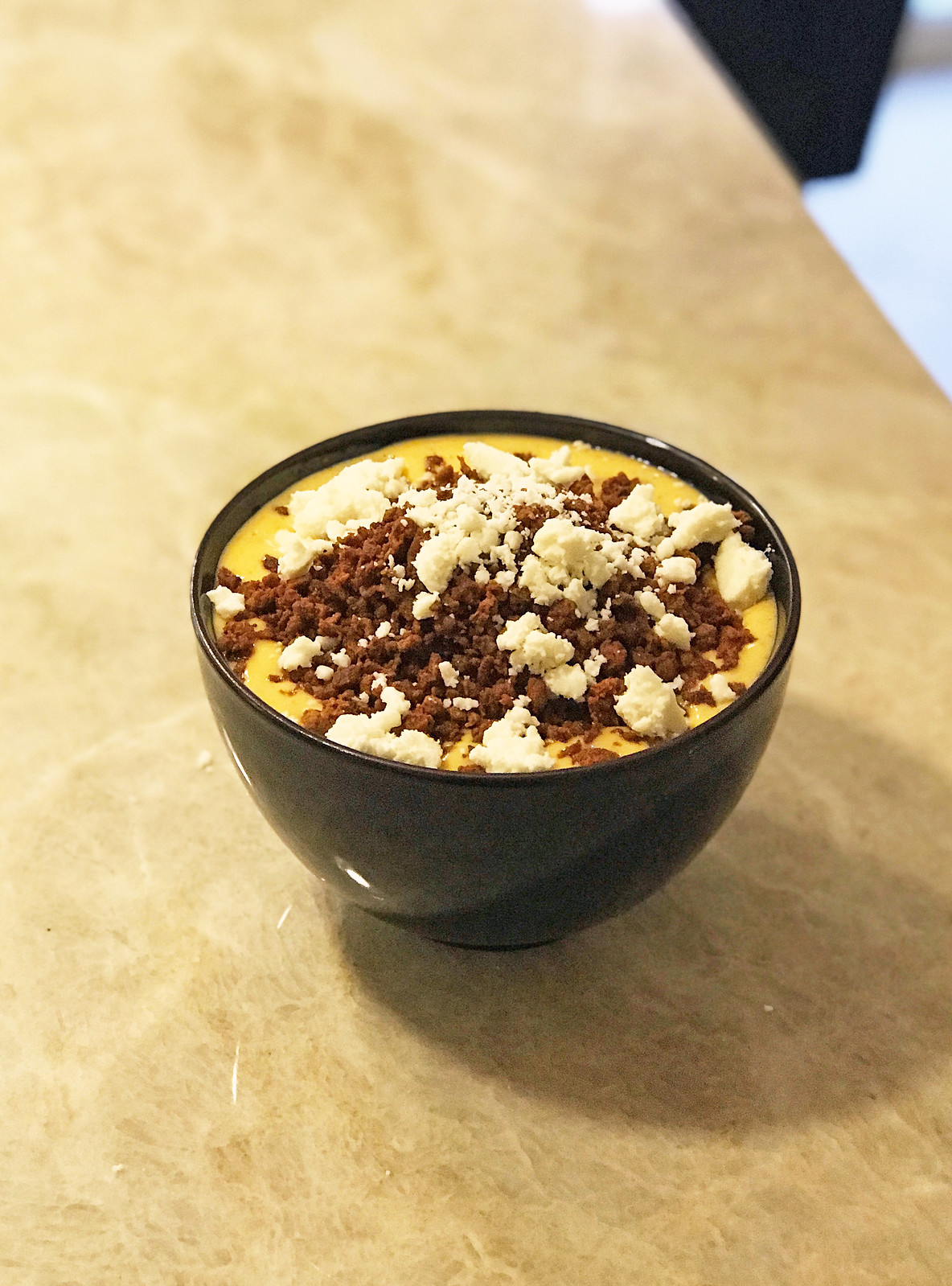
I’m just going to break it to you now: this appetizer is definitely not healthy. Like, not even remotely. As in, I-bought-Velveeta-for-the-first-time-in-my-life-for-this-recipe levels of unhealthy.

But it’s worth it. I mean, there’s nothing quite like semi-food Velveeta to keep your queso at a smooth, dip-able consistency even after it’s cooled. A liberal sprinkling of turkey chorizo (don’t @ me, it’s actually really good) rounds things out with another layer of crumbly texture and warm spice.

After the chips are gone, you’ll be licking the bowl with this one.

Queso with Turkey Chorizo

Ingredients:

1 tablespoon vegetable oil
6 ounces fresh turkey or chicken chorizo
2 1/2 cups half-and-half
1/2 pound Velveeta cheese, cut into cubes
1/2 pound Monterey Jack cheese, grated
1/2 pound sharp cheddar, grated
2 teaspoons chopped canned chipotle chiles in adobo
1 teaspoon salt
1/2 teaspoon ancho chile powder
1/2 teaspoon chipotle chile powder

1. Heat oil in a skillet over medium-high heat. Add chorizo and cook, stirring and breaking up with a spoon, until browned and crisp, 8–10 minutes; set aside.

2. Heat half-and-half and Velveeta in a large saucepan over medium heat, stirring occasionally, until Velveeta is melted, 6–8 minutes. Add Monterey Jack and cheddar; cook, stirring, until mixture is smooth. Mix in chipotle chiles, salt, and chile powders.

3. Transfer queso to a warm bowl and top with chorizo.

Japanese Garlic Chive-Scrambled Eggs

Posted on

I probably make these scrambled eggs at least once a month. Easy, healthy, and delicious, they make a perfect breakfast (who am I kidding, I make this for dinner all the time too). You can serve this atop rice, but I prefer these soft and warm eggs by themselves.

Make sure to get Asian garlic chives for these, as the flavor and texture are completely different than your standard grocery store chives.

Japanese garlic chive-scrambled eggs

Ingredients:

1 small bunch garlic chives (about 1/2 pound), cleaned and chopped into 1-inch lengths
4 eggs
1 teaspoon sugar
1 teaspoon soy sauce
1/4 teaspoon salt
1/4 teaspoon instant dashi granules (optional)
2 teaspoons vegetable oil

1. In a bowl, beat the eggs, sugar, soy sauce, salt, and dashi together until blended.

2. Heat the oil in a nonstick frying pan over medium-high heat, then add the garlic chives, sauteing for a couple of minutes until they’re bright green and wilted.

3. Pour the eggs into the pan and turn down the heat to low. Let the eggs cook, undisturbed, until you see the bottom of the eggs turn opaque.

4. Give the eggs a gentle stir, scraping the cooked egg up from the edges off the bottom of the pan, and allowing the raw egg at the top to run underneath. Let this cook until the bottom layer turns opaque and stir again.

5. Repeat step 4 until the eggs have reached your desired doneness (I like for much of the eggs to remain soft and opaque). Remember that the eggs will continue to cook a little after you turn off the heat. Serve warm.