I know what you’re thinking. Manhattans? Too easy. But I beg to differ. I’ve had many a sad Manhattan: too bitter, too sweet, too weak. It’s easy to go wrong. I’m taking it back to basics. Artisanal vermouths are all the rage right now, but you know what? I actually prefer Martini brand vermouth in my Manhattans. It’s smooth and it’s balanced. Don’t knock it until you’ve tried it.
Ingredients:
1 cup bourbon, preferably Bulleit
2/3 cup red vermouth, preferably Martini Rosso
4 dashes Angostura bitters
4 thin slices orange
4 maraschino cherries
1. Combine bourbon, vermouth, and bitters in a mixing glass.
2. Divide cocktail among 4 ice-filled rocks glasses. Garnish each drink with an orange slice and cherry.
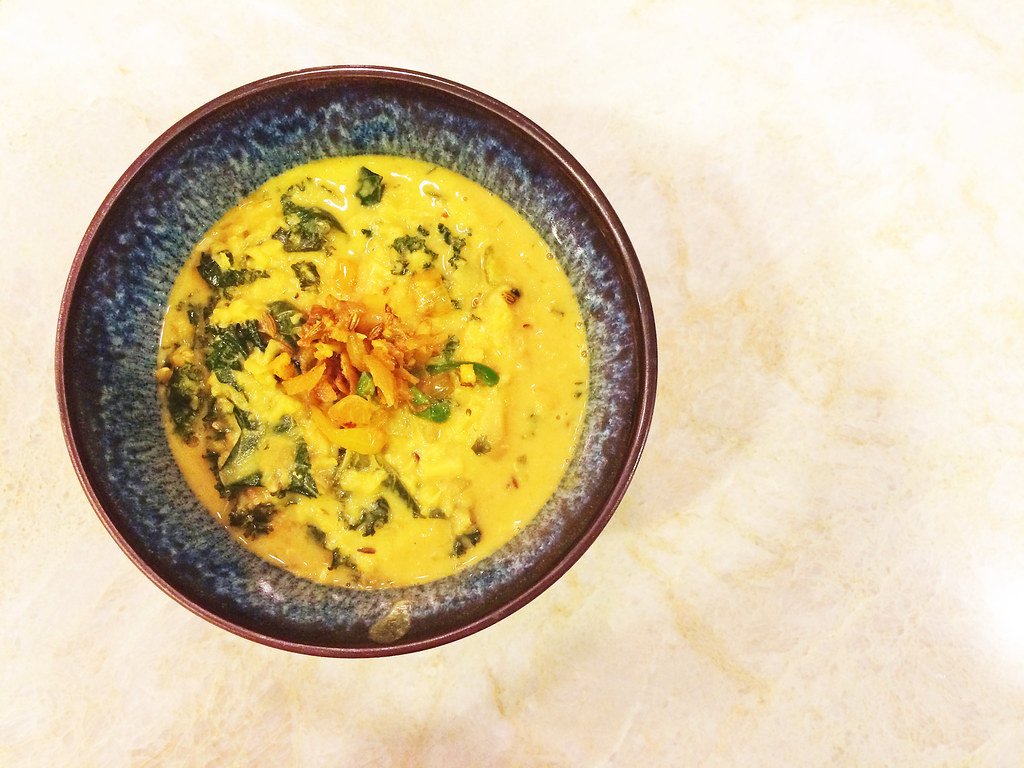
This is my favorite dal recipe, and I don’t say that lightly. From Iranian adassi to Sri Lankan parippu, I’ve never met a version of dal I didn’t like, but I always come back to this one. Creamy, coconuty, and redolent with warm spices, this dal is what dreams are made of.
Make sure to use actual orange (or red) lentils here — not yellow split peas (chana dal/gheymeh). Toor dal will also work in a pinch. Split peas won’t give that velvety texture that lentils will. The chicken stock isn’t traditional, but it adds a savory layer of depth. This is alchemy in a bowl.
Ingredients:
3 tablespoons coconut oil
1 teaspoon cumin seeds
1 teaspoon fennel seeds
1 teaspoon ground turmeric
2 onions, chopped
3 garlic cloves, chopped
2 tablespoons ginger, chopped
1 green chili pepper (such as Serrano), thinly sliced
1 quart chicken stock or broth
One 14-ounce can coconut milk
2 cups orange lentils, cleaned
1 bunch kale, stemmed and leaves coarsely chopped (about 4 cups)
1 tablespoon lemon juice
Salt
Pepper
1. In a large pot, heat 1 tablespoon of the coconut oil. Add the cumin, fennel and turmeric and cook over moderate heat, stirring constantly, until fragrant, about 1 minute. Stir in the remaining 2 tablespoons of coconut oil and the onions and cook, stirring occasionally, until slightly browned, about 8 minutes. Add the garlic, ginger and chili pepper and cook, stirring, for 2 minutes. Spoon half of the spiced onion mixture into a small bowl and reserve.
2. Add the chicken stock, coconut milk, and lentils to the saucepan and bring to a simmer. Cook over moderately low heat, stirring occasionally, until the lentils are tender, about 20 minutes. Add the kale and cook until tender, about 5 minutes. Stir in the lemon juice and season with salt and pepper.
3. Spoon the dal into bowls. Top with the reserved onion mixture and serve warm.
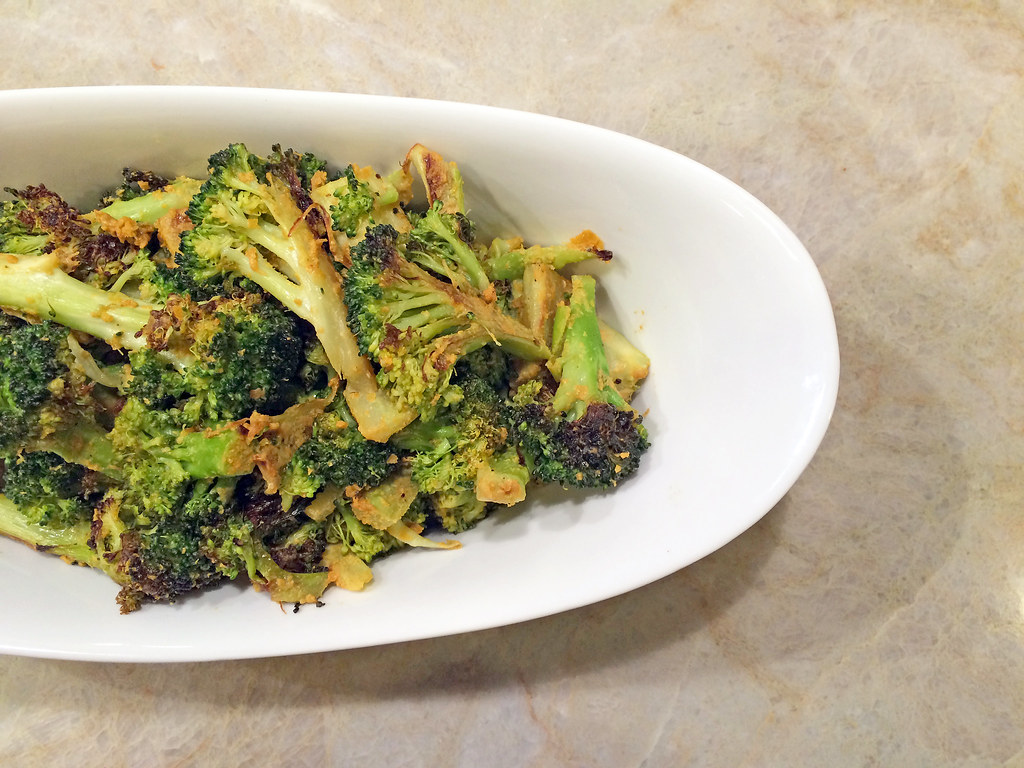
I get it. Nutritional yeast doesn’t make your tastebuds salivate and broccoli never got anyone too excited. But this easy side dish is virtuously healthy and actually tastes really, really good. Never had nutritional yeast? Think of it as umami powder: slightly cheesy and super savory. Sprinkle it on your greens and you’ll be asking for seconds in no time.
Ingredients:
2 heads of broccoli, cut into florets and similarly-sized pieces of peeled stalk
2 teaspoons virgin coconut oil, warmed to liquefy
5 tablespoons nutritional yeast
salt and pepper
1. Preheat oven to 425 degrees Fahrenheit. Toss vegetables with oil on a rimmed baking sheet to coat and season with salt and pepper. Roast until golden brown and tender, 20–25 minutes. Let cool slightly, then toss with nutritional yeast.
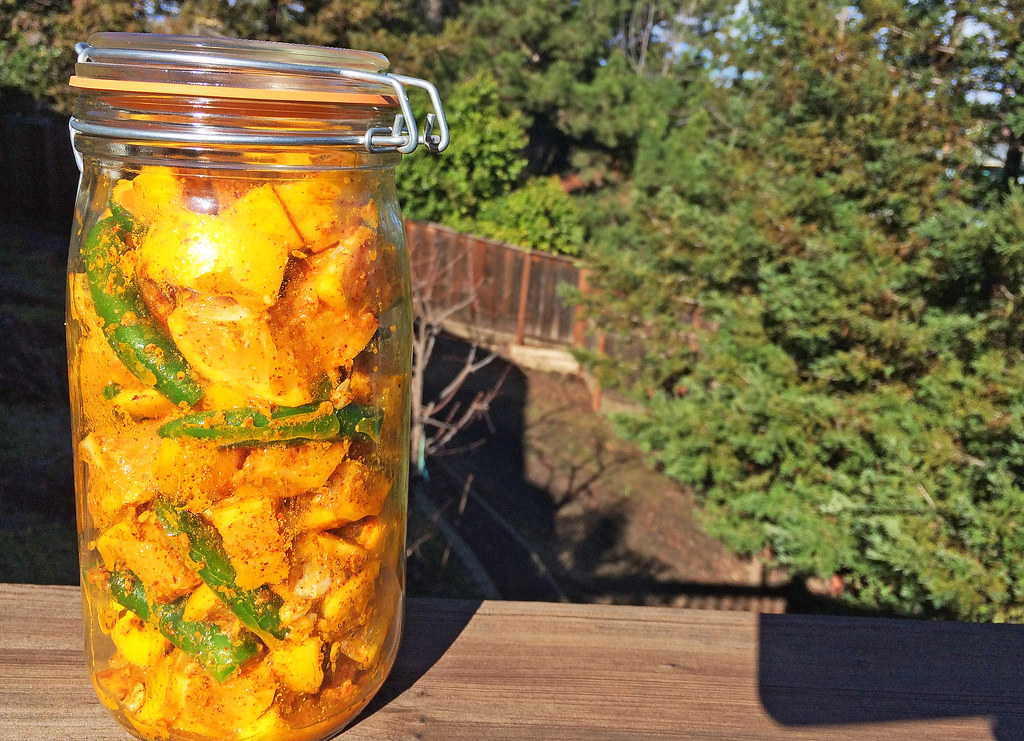
This dish is an amalgamation of influences. The spices are Indian. The lemons are Californian. The peppers are Mexican.
South Asian lemon and lime pickles are typically cooked in the sun, the flavors soaking up the rays and developing over time. They often contain a bit of oil, a counterpart to their lip-smacking acidity. But lemon season in California is in the middle of winter, where the sun isn’t strong enough to cook much. And I wanted an oil-less pickle. Something fresh, spicy and bright to complement a seafood curry.
Enter Meyer lemon pickles. If you’re lucky enough to have access to Meyer lemons, you’ll know that they’re sweeter and juicier than you’re average lemon. We have a tree full of them, and so I experimented until I had the perfect lemon pickle. I’ve made jar after jar of these: my family asks for them now, too (lemon pickles go just as well with Iranian khoresh as they do with South Asian curry).
You’ll have to wait at least a couple of months for this pickle to be ready to eat: the peels will soften (the tastiest part), the juices will rise, and the flavors will really develop over time. Make sure to make a couple of extra jars. They won’t last long.
1. Wash and dry the 8 lemons thoroughly. Cut off the tops and ends, quarter lengthwise, and then cut each quarter into halves or thirds along the length.
2. Place the lemons in a large bowl and toss with salt and turmeric.
3. In the meantime, toast the mustard seeds, fenugreek, and asafoetida (if using) in a small pan until lightly toasted. Let cool and grind to a powder.
4. Add the spice mixture, cayenne pepper, ginger, green pepper, and juice of remaining 1/2 lemon and mix thoroughly. Divide between cleaned and sterilized jars. Seal and refrigerate, mixing every two days for the first two weeks. Wait at least 2 months before eating.
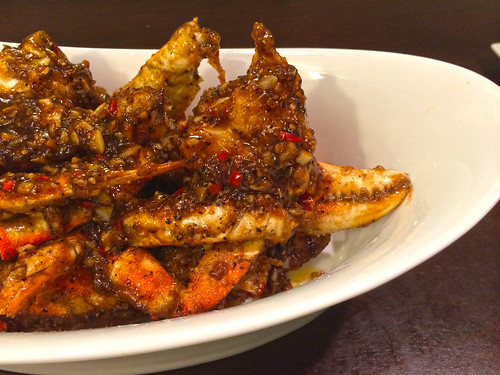
Dungeness crab is a Bay Area holiday tradition, and for my family, that means every year I make saucy, spicy, and deliciously messy Singaporean chili crab. Crab season should have begun a month ago in the Bay Area, but this year, our Dungeness crab are munching on neurotoxins and are off limits. If I were to be getting my hands on some crab, though, I’d be cooking this black pepper crab. It’s also Singaporean and has become my other go-to crab dish during Bay Area crab season. This one is deep-fried in the shell and it’s also saucy, spicy, and deliciously messy.
Honestly, I have a hard time choosing my favorite between the two. All I know is that both renditions elicit smiles on everyone’s face.
Ingredients:
1 Dungeness crab
2 tablespoons oyster sauce
1 tablespoon soy sauce
1 tablespoon sugar
cooking oil for deep-frying
cornstarch for dusting
1 tablespoon butter
4 cloves garlic, minced
2 slices ginger, each quarter sized, minced
2 red jalapeno chiles, seeded and minced
2 teaspoons freshly ground black pepper
1 green onion, minced
1. In a pot of boiling water, parboil crab for 2 minutes. Drain and rinse with cold water. Remove and discard the gills and spongy parts under the shell. Twist off the claws and legs and crack them open with a mallet. Cut body into 4 pieces.
2. In a small bowl, combine oyster sauce, soy sauce, and sugar.
3. In a wok, heat oil for shallow deep frying to 365 degrees. Dust crab pieces with cornstarch. Deep-fry crab until shells change color and cornstarch crust is slightly golden, about 3 minutes. Lift out crab and drain. Remove all but 1 tablespoon of oil from wok.
4. Add butter to oil in wok and place over medium heat. Add garlic, ginger, and chiles. Cook, stirring, until fragrant, 1 to 2 minutes. Add pepper and oyster sauce mixture; mix well. Add crab and stir to coat. Simmer over low heat until crab is cooked, 6 to 7 minutes. (If crab was already cooked through when deep-fried, then crab needs to simmer for only 4 minutes.)
5. Arrange crab and sauce on a serving platter and garnish with green onion.