Sigeumchi Namul (Korean Spinach Banchan)

Posted on

The best sigeumchi namul I ever had was during a hurried ten hour stopover in Seoul. My sister and I had just spent a week in Hanoi and were on our way back to San Francisco. Exhausted, we were determined to see — and eat — as much as we could during our day long excursion into the city. Our banchan spread during lunch in a nondescript Insadong restaurant included this spinach banchan. Jet lagged and half asleep, the bright, fresh greens perked me up and fortified me for the precious few hours we had in the city. The rest of the meal was just as good, but that’s another story.

Whenever I eat this simple but delicious spinach dish, I’m transported back to that rainy day in Insadong. This mild banchan comes together in less than 15 minutes. Perfect for when you’re exhausted but hungry.
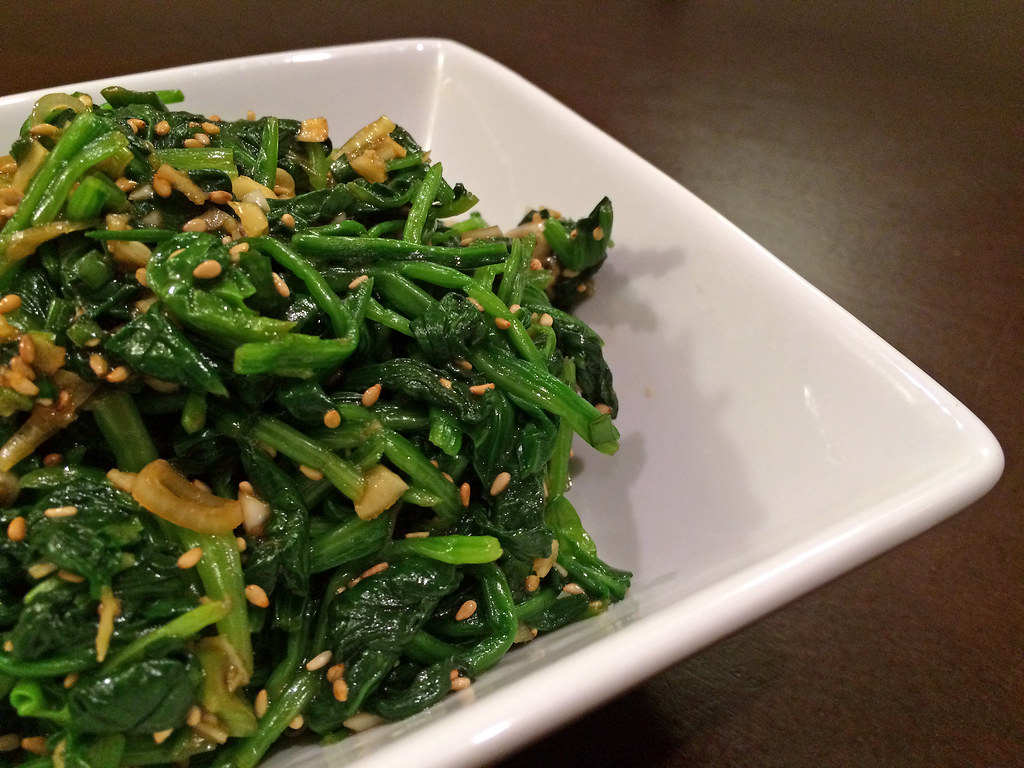
Sigeumchi namul (spinach banchan)
Ingredients:

1 pound spinach, trimmed
2 green onions, thinly sliced
1 garlic clove, minced
1 tablespoon soy sauce
2 teaspoons sesame oil
1 teaspoon sesame seeds

1. Fill a saucepan halfway with water and bring to a boil. Add the spinach and blanch for 1 minute, then drain in a colander and rinse under cold water to cool. Drain and squeeze out excess water, then chop into 1-inch pieces.

2. Combine the remaining ingredients in a bowl. Add the spinach and toss to coat. Serve or cover and refrigerate for up to 2 days.
Sri Lankan Roasted Curry Powder

Posted on

I’ll never buy bottled curry powder again.

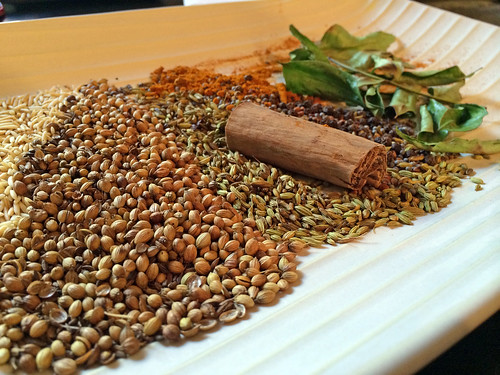
Spices for Sri Lankan roasted curry powder

Sri Lankan cuisine is under the radar in the U.S. and it’s a shame. I’ve been lucky to taste so many Sri Lankan dishes with Nishan’s family and these days, I’m learning to cook it myself. It’s fiery, vibrant, and the flavors are an amalgamation of Sri Lanka’s history. The rice and curry spreads vary with Tamil dishes, Sinhalese dishes, Muslim dishes, Dutch and British-influenced dishes, and rice and coconut factor into nearly every meal. I could go on forever, but Serious Eats has already written a terrific primer on the cuisine.

The base to many of the curries I’ve been cooking is this roasted curry powder. In practice, it’s usually supplemented with large doses of chili powder and fresh chiles. This curry powder should keep indefinitely in the fridge, but I wouldn’t know. A batch rarely lasts long in our household.

Ingredients:

1 tablespoon uncooked basmati rice
4 tablespoons coriander seeds
2 tablespoons cumin seeds
2 tablespoons fennel seeds
1 piece cinnamon stick
1/2 teaspoon fenugreek seeds
1 teaspoon black peppercorns
1 teaspoon black mustard seeds
1 teaspoon turmeric powder
5 cardamom pods, shelled
5 cloves
2 springs curry leaves

1. Toast each ingredient on a saucepan separately over medium heat, stirring often, until fragrant and lightly browned. Remove from heat, cool, and grind in a coffee grinder. Store in a glass jar in the refrigerator.

Homemade Almond Milk

Posted on

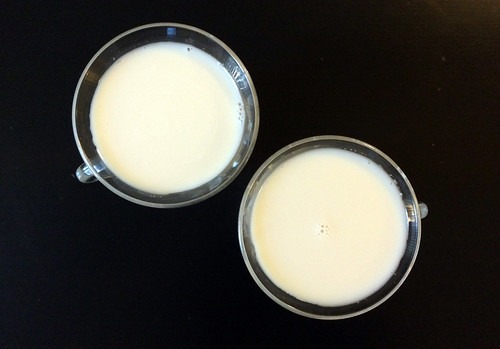
This almond milk is incredibly easy to make, contains no sugar, and is absolutely delicious. I first concocted this rich refresher last year when I was trying to return to cleaner eating habits and ended up enjoying this by itself as a dessert.

With only four ingredients, this almond milk is a breeze — and much healthier than the additive laced versions you’ll find in the grocery store. Make sure you use raw almonds (instead of roasted) to achieve the right flavor.

Homemade almond milk

Ingredients:

1 cup raw almonds
5 cups filtered water, plus more for soaking
4 plump Medjool dates, pitted
1/4 teaspoon cinnamon
sea salt

1. In a bowl, cover the almonds with water and let stand overnight in the refrigerator.

2. Drain and rinse the almonds; transfer to a blender. Add the dates, cinnamon, 5 cups of water and a pinch of salt to the blender and puree on high speed until very smooth, about 2 minutes. Pour the nut milk through a cheesecloth-lined fine sieve set over a bowl and let drain for 30 minutes. Using a spatula, press on the solids to extract any remaining milk; discard the solids. Transfer the nut milk to an covered container and refrigerate until chilled, about 30 minutes. Stir or shake before serving.

Khiar Shoor (Pickled Cucumbers)

Posted on

Khiar shoor literally translates from Persian to English as “salty cucumbers,” but it is so much more than that. Shoor are a category of Iranian pickled vegetables, be they cucumbers or cauliflower or carrots or nearly any other vegetable. There’s also torshi, but that’s a whole other classification of pickled vegetables that we’ll save for another post.

Every summer while I was growing up, my mom and all the Iranian aunties would gather in someone’s home and spend the day peeling vegetables and peppers and onions, making the next year’s batch of shoor and torshi. The air would be ripe with the smell of vinegar and garlic and the kids would be enlisted to help. The shoor would be ready to eat a few weeks later; the torshi would need to wait months, sometimes even years.

Nowadays you can buy shoor or torshi at any Middle Eastern market but nothing comes close to the homemade version. I made this version when I found myself with too many Armenian cucumbers from my parents’ garden. Once ready, these cucumbers go wonderfully with sandwiches or kotlet.

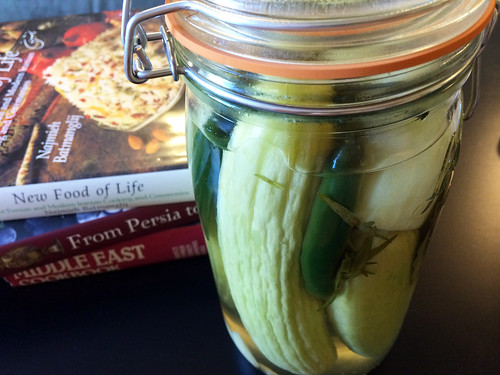
Pickled Armenian cucumbers

Ingredients:

2 red or green chili peppers
2 pounds Persian or Armenian cucumbers
5 cloves garlic, peeled
7 sprigs tarragon
4 bay leaves
1 tablespoon peppercorns
1/2 teaspoon sugar
1/2 cup white vinegar
kosher salt

1. Wash, clean and drain the vegetables and herbs. Sterilize canning jars, drain and dry thoroughly.

2. Fill each jar almost to the top with cucumbers, garlic, tarragon, and bay leaves.

3. Bring 6 tablespoons salt, 12 cups water, peppercorns, sugar, vinegar, and chili peppers to a boil. Remove from heat and fill each jar within 1/2 inch of the top with this hot liquid. Let cool and seal jars. Store the jars in the refrigerator for at least 10 days before using.

Japchae

Posted on

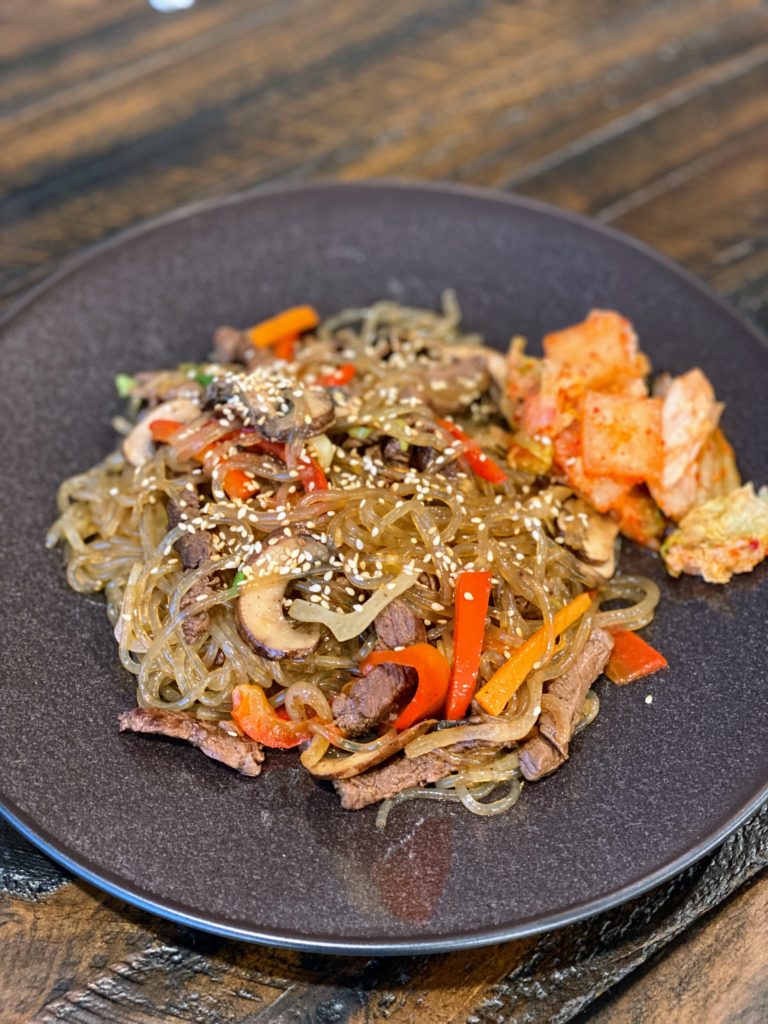
Japchae was the first Korean dish I tasted when I first tried the cuisine years ago as a teenager. It became one of my favorites but I rarely order it at a restaurant anymore because I’ve learned to cook it at home.

These results are restaurant quality and totally worth the payoff. Don’t substitute these sweet potato noodles — they’re worth seeking out for their chewy, slippery texture that soaks up all the flavor. Best of all, japchae reheats well and tastes just as good the next day.

Ingredients:

  • 3 tablespoons avocado oil
  • 1 cup julienned carrots
  • Salt and pepper to taste
  • 2 cups thinly sliced onions
  • 1 cup julienned red bell pepper
  • 1 cup julienned button mushrooms
  • 1 cup julienned filet mignon
  • 1 clove garlic, minced
  • 1/2 cup soy sauce
  • 1/3 cup sugar
  • 1 pound dried dangmyeon (Korean sweet potato starch noodles), cooked according to package directions
  • 2 tablespoons sesame oil
  • 2 tablespoons thinly sliced green onions, for garnish
  • 1 tablespoons toasted sesame seeds, for garnish

Directions:

  1. Heat 1 tablespoon oil in a large skillet over medium-high heat. Add carrots, season with salt and pepper, and cook, stirring, until half-tender, about 3 minutes. Transfer to a large bowl. Repeat with 1 tablespoon oil, onions, peppers, and mushrooms and add to bowl.
  2. Wipe skillet clean; heat remaining oil. Add steak and garlic and cook until browned, about 4 minutes. Add soy sauce and sugar and cook until sugar dissolves. Pour over vegetables in a bowl, add noodles and sesame oil, and toss. Garnish with green onions and sesame seeds.